MND Local: Scorpion stings surge across Puerto Vallarta
The last thing anyone wants is to be stung by a scorpion, which can result in symptoms that range from mild pain to severe, life-threatening reactions. But according to Mexican officials, scorpion stings have increasingly been reported in Puerto Vallarta in recent months.
Scorpion stings on the rise
Health authorities across the Bay of Banderas region are warning residents to take extra precautions after a sharp spike in scorpion sting incidents during the hotter weeks of spring. Officials say more than 2,000 cases have already been reported this season, with rising nighttime temperatures and dry conditions pushing scorpions into homes, storage areas, gardens and shaded urban spaces.

Medical workers say the majority of incidents involve people being stung inside residences, often after scorpions hide in shoes, towels, bedding or clothing. While most stings are treatable, young children and elderly residents remain the most vulnerable to severe reactions. Clinics and hospitals throughout the region have reportedly increased supplies of antivenom and emergency treatments as temperatures continue climbing toward summer highs.
Public health departments are encouraging residents to shake out clothing and footwear before use, seal cracks in walls and floors and reduce piles of debris or wood around homes where scorpions may shelter. Pest control services have also seen a seasonal increase in demand.
The situation is especially concerning in rapidly growing neighborhoods on the outskirts of Puerto Vallarta, where construction and land clearing can disturb natural habitats and drive wildlife closer to populated areas.
Officials expect sting reports to remain elevated through the rainy season, when humidity and heat typically increase insect and arachnid activity throughout the coastal region.
Environmental closures aim to protect rare turtle habitat

Federal environmental authorities have ordered temporary closures and restrictions to protect the habitat of the endangered tortuga casquito, a freshwater turtle species found only in limited areas of Jalisco and Nayarit. The action comes after inspectors discovered land clearing, vegetation removal and unauthorized activity affecting approximately 5.37 hectares of sensitive habitat used for nesting and reproduction.

According to environmental officials, the affected zones included areas of low jungle vegetation and wetlands across Bahia de Banderas that are critical to the survival of the species, scientifically known as Kinosternon vogti. Inspectors also identified illegal dumping, construction-related debris and brickmaking operations operating within protected sections of the habitat.
Profepa, Mexico’s federal environmental enforcement agency, ordered temporary shutdowns of the activities while investigations continue. Community environmental groups working in the area have welcomed the move, saying the turtle population faces growing pressure from urban expansion, industrial activity and habitat fragmentation throughout the bay region.
The tortuga casquito is considered highly vulnerable because of its extremely limited geographic range. Conservation organizations say preserving wetlands and seasonal freshwater systems is essential to preventing further population decline. Environmental volunteers have additionally helped authorities remove dozens of illegal traps discovered within turtle nesting areas.
The closures also highlight broader tensions developing throughout Bahía de Banderas, where tourism growth and luxury development projects increasingly intersect with environmentally sensitive land. Conservation advocates argue that stronger enforcement will be needed as construction continues expanding along both the Jalisco and Nayarit coasts.
Puerto Vallarta updates Risk Atlas ahead of rainy season
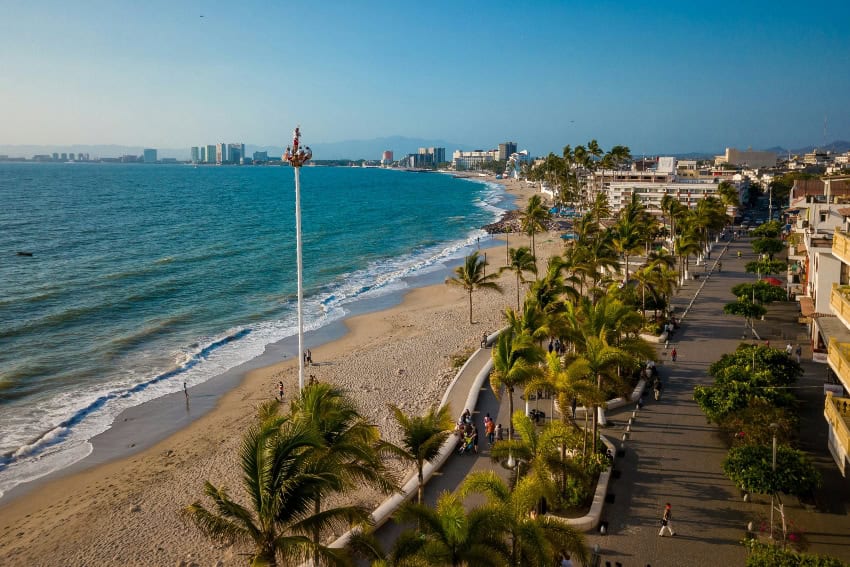
Puerto Vallarta officials are preparing for the arrival of the rainy season with continued updates to the city’s official Risk Atlas, a planning tool used to identify flood-prone zones, landslide risks, infrastructure vulnerabilities and emergency response priorities. Civil Protection authorities say the document is being constantly revised to reflect the region’s rapid urban growth and changing environmental conditions.
The updated atlas is expected to help emergency services coordinate responses more efficiently during storms and tropical weather events that commonly affect the Pacific coast between June and October. Officials say newer data is being incorporated to better track drainage limitations, hillside development, vulnerable roadways and densely populated neighborhoods that may face flooding or evacuation risks.
Meteorologists are also monitoring the first potential heavy rain systems of the season, with forecasters warning that early tropical activity could arrive within the coming weeks. While no major storm threats have yet been confirmed for the bay, authorities are encouraging residents to begin seasonal preparations early, including clearing drains, checking emergency supplies and reviewing evacuation routes in flood-prone areas.
Local officials say the Risk Atlas has become increasingly important as Puerto Vallarta continues expanding into hillsides and previously undeveloped zones. Urban growth, combined with aging infrastructure in some districts, has increased concern about drainage capacity during periods of intense rainfall.
Emergency planners believe updated mapping and risk analysis will improve coordination between municipal departments and help reduce disruptions during what could become another active rainy season for the region.
Growth pressures raise concerns over water access and infrastructure

Puerto Vallarta and neighboring communities in Bahía de Banderas continue facing growing pressure on public infrastructure as rapid development transforms the region.
Residents and neighborhood groups are increasingly voicing concern over water shortages and declining service reliability, particularly in areas experiencing heavy residential expansion and new tourism-related construction.
Much of the frustration centers around the perception that water resources are being prioritized for large condominium towers, hotel projects and luxury developments while long-established residential neighborhoods experience reduced water pressure or intermittent service interruptions.
Some residents say shortages have become more noticeable during peak tourism periods and in rapidly growing suburban districts.
Urban expansion throughout the bay has accelerated in recent years as more domestic and international residents relocate to the region. The population boom has fueled economic growth but also intensified strain on roads, drainage systems, utilities and water distribution infrastructure that many argue has not kept pace with development.
Charlotte Smith is a writer and journalist based in Mexico. Her work focuses on travel, politics, and community. You can follow along with her travel stories at www.salsaandserendipity.com.
The post MND Local: Scorpion stings surge across Puerto Vallarta appeared first on Mexico News Daily


Comments
Post a Comment