Sonora, known for carne asada, moves into National Geographic’s ‘Best of the World’ list for food destinations
Sonora, Mexico’s second-largest state and home to spectacular desert landscapes, has entered National Geographic’s Best of the World list of gastronomical destinations, joining such culinary meccas as Vietnam’s Central Highlands, Lucknow in India, and Southern Tasmania’s Aboriginal region as one of the 20 best places in the world to eat.
The border state is known for seafood and its central role in northern Mexico’s carne asada grilling tradition, but neither of those two beloved foods can claim credit for Sonora’s newfound recognition. Neither can any other chewable food.
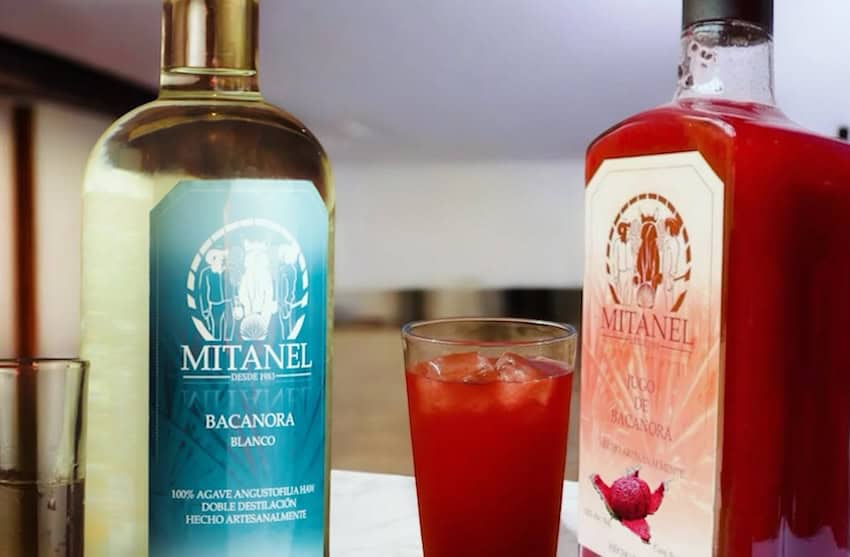
That honor goes to a lesser known agave-based spirit called bacanora, a smokier beverage stronger than tequila and tightly tied to Sonora’s identity, stretching back as it does “to the Indigenous Ópata, who sipped the [then-] molasses-like concoction, made from roasted agave hearts.”
Bacanora is distinguished from other mezcales by using a unique type of agave without additives known as Pacific agave, which mostly grows in the arid highlands of Sonora. Made from roasted agave hearts that are cooked underground, bacanora has been consumed at ceremonies since pre-Columbian times.
With the arrival of Jesuit missionaries in the 17th century, the distillation process was perfected enough to produce a clear spirit with a smooth flavor, featuring notes “of candied agave and an earthy minerality from the arid foothills,” as National Geograhic puts it.
By the 18th century, bacanora was ubiquitous at weddings, baptisms, and quinceañeras before it was forbidden in 1915 by Governor (later President) Plutarco Elías Calles, who linked the spirit to moral decay. But sonorenses didn’t stop producing it, and families would distill the beverage in 50-gallon drums and plastered vessels buried in the undergrowth in remote mountainous areas.
“Bootlegging became both an act of cultural preservation and a silent political rebellion,” the magazine said.

The Museo Estatal del Bacanora in the town of Bacanora showcases copper stills, archival photographs, and contraband bottles that tell the story of the producers who kept the distilling tradition alive during prohibition.
The spirit is still mainly produced at the artisanal level, but with the growing international demand for Mexican spirits like mezcal and tequila, bacanora is experiencing a revival. Commercialization is sure to set in, which is why National Geographic urges a visit to the Bacanora region of Sonora as soon as possible.
Mexico News Daily
The post Sonora, known for carne asada, moves into National Geographic’s ‘Best of the World’ list for food destinations appeared first on Mexico News Daily


Comments
Post a Comment